Table of Contents
If you're grieving, remember this: your grief shows the depth of your connection. It's not something to "obtain over" yet rather to relocate through, lugging your love and memories forward into a life that, while permanently changed, can still hold definition and joy.
Sorrow is a natural psychological reaction to loss. Regreting is a process that can assist you come to terms with a loss, such as when a loved one dies. Every person experiences sorrow differently. Your experience of pain and just how you manage it will certainly depend on various aspects. These might include your age, previous experiences with grief and your spiritual or religious views.
Awaiting despair means sensation unfortunate before the loss occurs. Instead than grieving for the individual, that is still with you, you may feel despair for the important things you won't get to do together in the future. When facing a significant loss, such as the fatality of a liked one, it is natural to feel many strong feelings.
This does not indicate you have surrendered on the person or that you do not care for them. Individuals detected with an incurable health problem and those dealing with the death of an enjoyed one might experience anticipatory pain. If you have actually been diagnosed with an incurable illness, you might experience numerous feelings consisting of shock, worry and sadness.
The Influence of Intergenerational Trauma on Professional Life
You regret shed possibilities or experiences you'll miss even small ones, such as the enjoyment of the sunshine or a warm cup of coffee. If a person you like is dealing with an incurable ailment, it is usual to experience anticipatory sorrow in the months, weeks and days before fatality. You might regret the exact same points your loved one is grieving, or various losses altogether.
You may really feel awaiting grief If your enjoyed one is puzzled or subconscious for a lengthy time (e.g. with delirium or mental deterioration). You might feel that the person you understood is currently gone, even if they are still literally there. If your liked one has a decline in physical wellness or wheelchair, you might really feel awaiting sorrow as you shed the possibility to share experiences, such as leisure activities, holidays or events.
This is especially true if you spend a great deal of time looking after the individual. You might miss out on tasks you utilized to appreciate with each other and really feel pain about the change in your relationship. The nature of your partnership might alter as you tackle a carer's duty, or come to be the one being taken care of.
Feelings of grief before fatality are regular it's vital to acknowledge them, and to speak regarding them. Experiencing anticipatory pain doesn't always indicate that you will regret your loved one any less after they are gone.
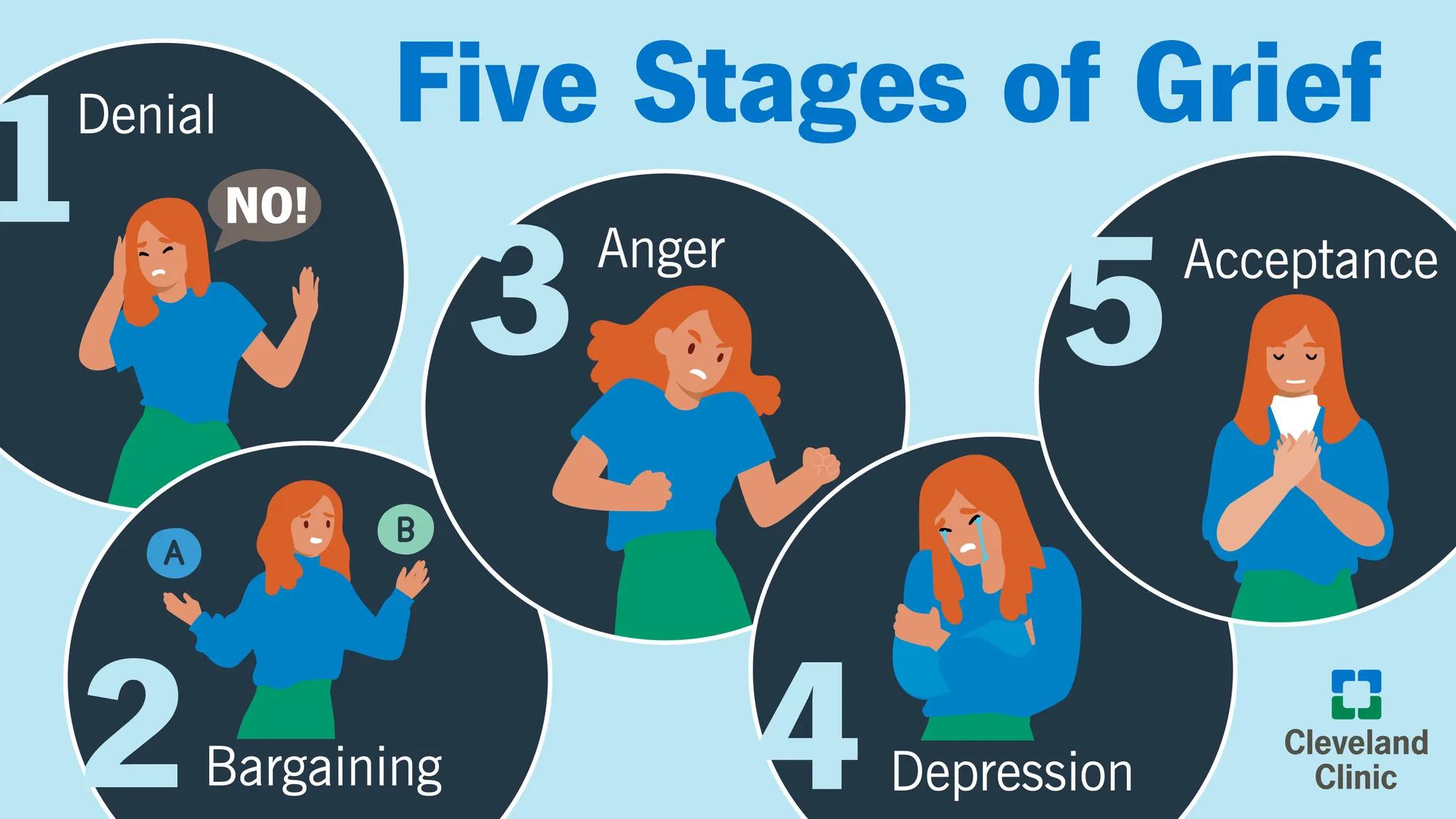
Check out the CareSearch website for links to palliative treatment and end-of-life information in a variety of neighborhood languages. Call Carer Portal on 1800 422 737 for resources to sustain for Aboriginal and/or Torres Strait Islander carers and areas. CareSearch provides info on comprehending bereavement, end of life and palliative care needs of the LGBTIQA+ area. In fact, we do not experience feelings of sorrow one at a time or in a particular order. You might experience these points because they are all typical feelings of despair.
It's normal to feel other points too, such as shock, anxiousness, exhaustion, or sense of guilt. Some people really feel numb after the death of an individual they cared around. They may also try to lug on as though nothing has actually occurred. If you experience this, it could be since it's simply also difficult to think that the person you understand so well is not coming back.
Somatic Approaches for PTSD in High-Achievers
Maybe they promise themselves that they will currently constantly do (or otherwise do) something, believing that it can make the individual that has died come back. Or possibly they believe it will stop anybody else passing away or various other negative points happening. This is often called 'wonderful reasoning'. Individuals might likewise locate that they maintain going back over the past and ask whole lots of 'suppose' inquiries, wishing that they can go back and change things to make sure that they could have ended up differently.
These sensations can be very extreme and painful, and they might come and go over lots of months or years. However most individuals find that excruciating sensations such as this come to be much less solid with time. If you do not feel this holds true for you, after that you ought to request aid.
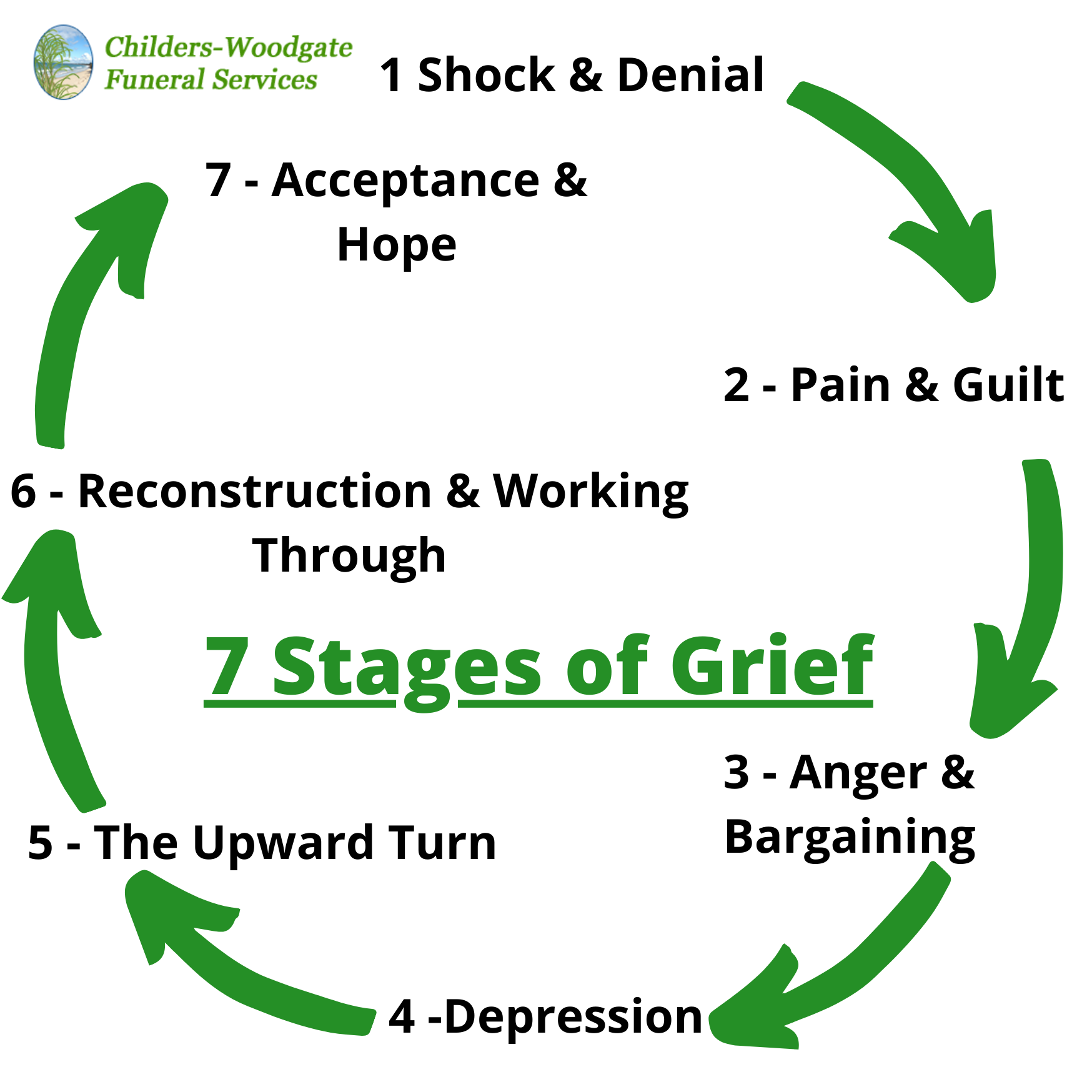
Her design ended up being commonly approved as a method to recognize pain, however with time, pain counsellors and scientists broadened upon it, leading to the growth of the. This extensive design integrates extra psychological responses that people may experience: The preliminary response to loss frequently brings shock and shock. This phase works as a safety mechanism, permitting us to take in the fact of our loss in convenient doses.
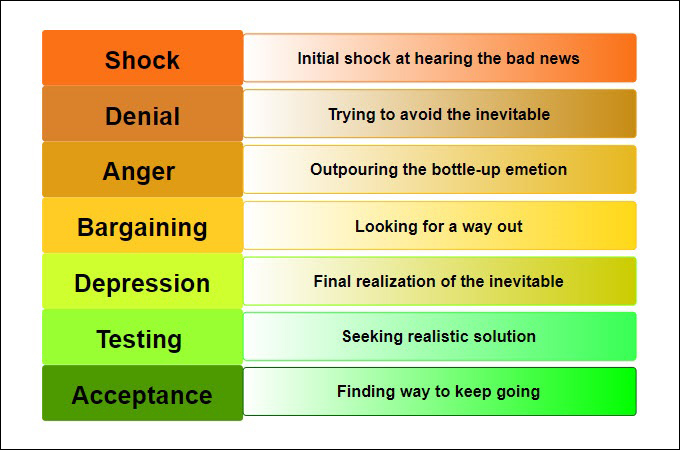
Sensations of remorse or regret may arisewondering if you could have done something in a different way, or sensation grief over points left unspoken. Sorrow can manifest as angertoward on your own, others, or also the person who has actually passed.

Navigation
Latest Posts
Starting Your First Step Towards Wellness
Coordinating Multiple Therapies for Comprehensive Care
Addressing Obstacles to Accessing Support in Ashburn, VA